
Oklahoma winters tend to arrive quickly. One week the evenings are cool and comfortable, and the next week a cold front drops temperatures into the teens and your furnace is running nonstop. If your heating system is old, making noise, or cycling on and off, now is the best time to plan a furnace installation, before demand peaks and the schedule fills up.
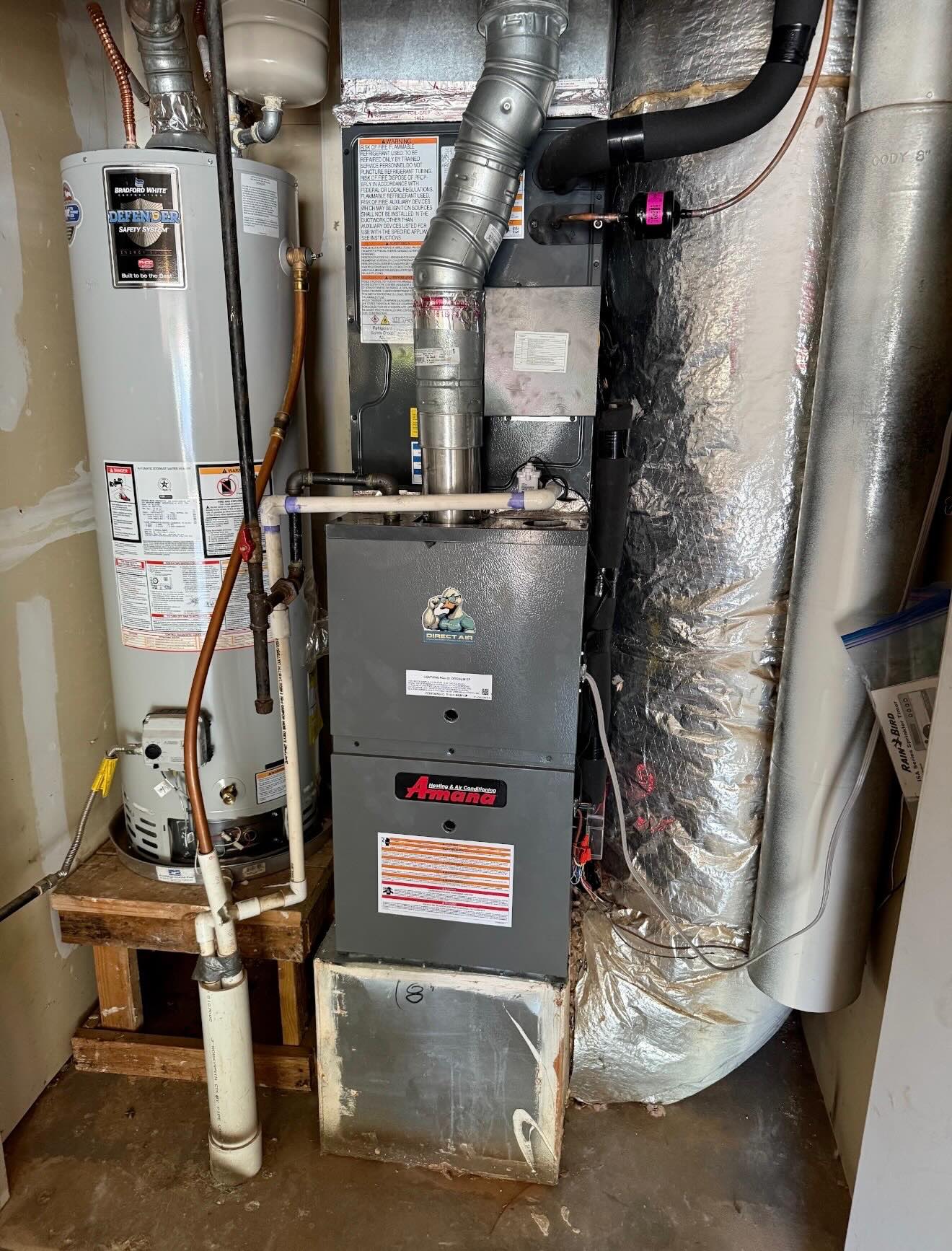
Signs It Is Time for a New Furnace
- The furnace is more than 15 to 20 years old
- Repairs are becoming frequent or expensive
- Heating bills keep climbing even though your habits have not changed
- Some rooms stay cold while others feel too warm
- You hear banging, rumbling, or squealing when the system starts
- The burners flicker, or the flame is not steady blue
Any one of these signs is worth a closer look. Several together usually mean a replacement will cost less over time than continued repairs.
Choosing the Right Size
Bigger is not better when it comes to furnaces. An oversized unit heats the air too quickly, shuts off before it has circulated enough air, and wears out faster. An undersized unit struggles to keep up on the coldest nights. The right size depends on your home's square footage, insulation, window area, ceiling height, and how air moves through your ducts.
A proper installation starts with a load calculation, a room-by-room estimate of how much heat your home loses. Rule-of-thumb sizing based only on square footage can miss the mark, especially in older homes or homes that have been remodeled.
What Happens During the Installation
- 1Inspection of the existing system, ductwork, gas line, and venting
- 2Removal of the old furnace and any worn components
- 3Setting the new furnace, connecting the gas, and installing the venting
- 4Connecting the electrical wiring, thermostat, and safety controls
- 5Checking ductwork for leaks and making any needed repairs or seals
- 6Test-firing the furnace and confirming heating output, gas pressure, and safe venting
- 7A walkthrough of how to use the thermostat and how to change the filter
Ask the technician to explain each step and to show you the test results before they leave. A good installer is happy to do that.
Protect Your Home This Winter
Once your new furnace is in, a few simple habits keep it working well through the season. Change or clean the filter every one to three months, keep supply and return vents open and unblocked, and keep the area around the furnace clear. Install carbon monoxide detectors on every level of the home and near sleeping areas, and test them monthly.
Get Started Before the First Freeze
Calling early gives you more options on timing, equipment, and financing. You can use the instant quote tool to see an estimate for your home in a couple of minutes, or call our team to schedule an in-home evaluation.